Control Invasive Growth Across Rural Properties
Mesquite Root Plowing in Lockhart for ranches and agricultural land facing persistent regrowth challenges
Graham Construction & Land Clearing provides mesquite root plowing in Lockhart for ranches and agricultural operations dealing with invasive mesquite that limits usable acreage. Central Texas soil conditions allow mesquite roots to spread deep and wide, making surface-level clearing ineffective for long-term control. Root plowing removes these underground systems, reducing the likelihood of regrowth and improving pasture conditions over time.
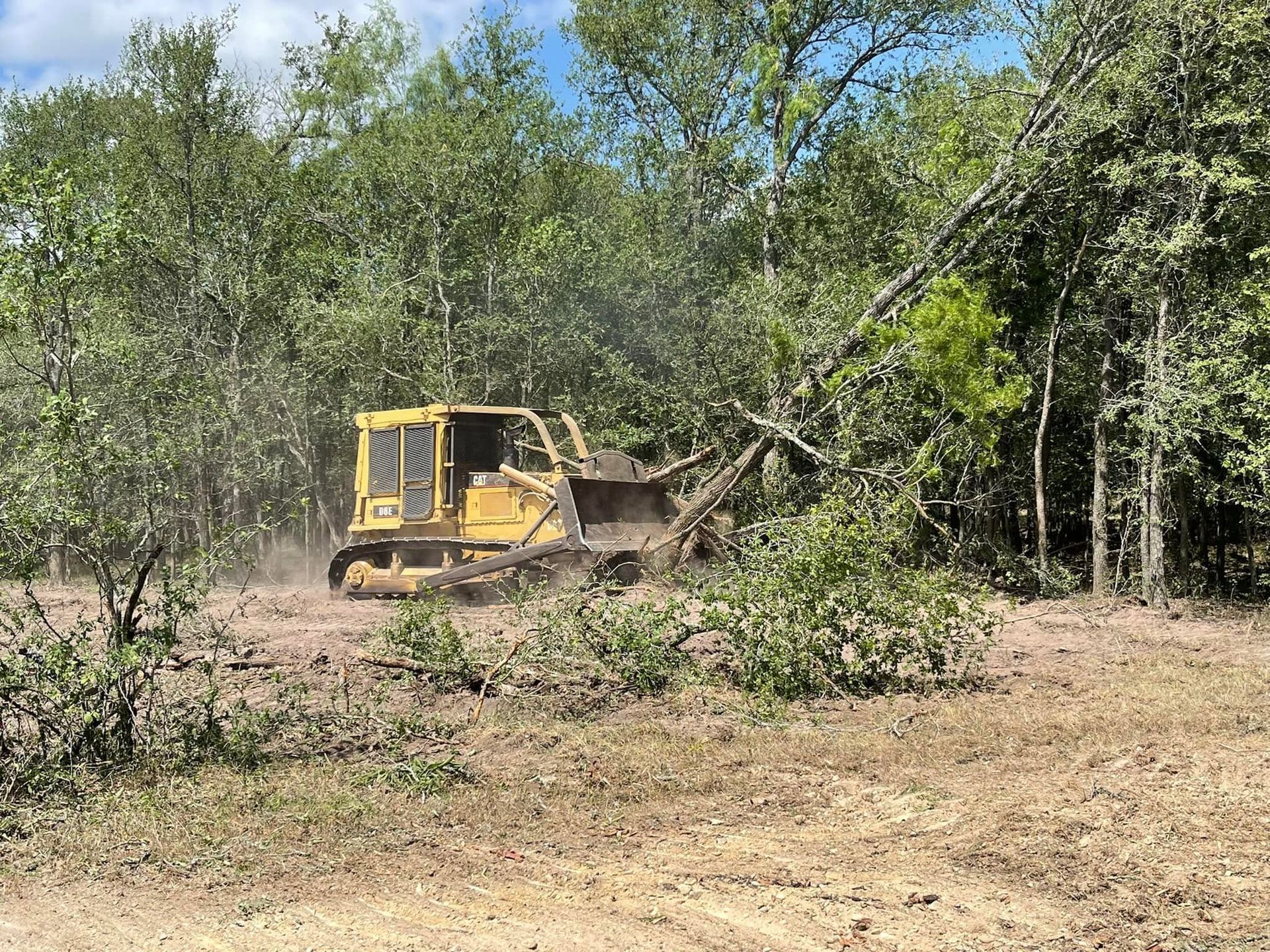
This service targets the root network below the surface using specialized equipment designed to sever and lift root systems without excessive soil disturbance. Unlike standard brush clearing that only addresses visible growth, root plowing disrupts the plant's ability to regenerate from underground structures. Crews work systematically across the property, ensuring thorough coverage of affected areas to maximize long-term effectiveness.
Schedule a site evaluation to assess mesquite coverage and determine the most efficient treatment approach for your property.
How Root Plowing Changes Land Management Outcomes
Root plowing involves running a heavy blade beneath the soil surface at depths that intercept the primary root structure of mesquite plants. The blade severs roots and brings segments to the surface, where they dry out and lose the ability to resprout. This mechanical disruption addresses the problem at its source rather than simply removing what is visible above ground.
After treatment, you notice a reduction in new mesquite shoots and an increase in grass coverage as native vegetation reclaims space previously dominated by invasive growth. Pastures become more functional for grazing, and property maintenance requirements decrease as regrowth slows significantly compared to surface clearing alone. The difference is visible within a single growing season as grasses fill in areas that were previously choked by brush.
Root plowing works best on properties with moderate to heavy mesquite infestation where long-term control is more important than immediate cosmetic results. Follow-up monitoring may be needed in isolated areas where root fragments remain viable, but the majority of treated acreage stays clear with minimal intervention. Timing the work during dry periods helps reduce soil compaction and allows easier removal of root material.
What Landowners Usually Ask About Root Plowing
Property owners preparing for mesquite control often want to know how the process differs from other clearing methods and what to expect after treatment.
What makes root plowing more effective than brush hogging?
Root plowing removes the underground root system that allows mesquite to regenerate after surface clearing, reducing regrowth rates and improving long-term pasture quality without repeated treatments.
How deep does the equipment penetrate during root plowing?
The blade typically runs 12 to 18 inches below the surface, depending on soil conditions and root depth, to sever the primary tap and lateral roots that sustain mesquite growth.
When is the best time to schedule root plowing in Central Texas?
Dry periods from late summer through fall are optimal because soil is firmer and root material dries quickly once exposed, reducing the chance of regrowth from fragments.
What happens to the root material after plowing?
Roots are brought to the surface where they dry out and decompose, and crews can pile and burn larger segments if needed to prevent regrowth from viable fragments.
How long does it take for pasture grass to recover after treatment?
Native grasses typically begin filling in treated areas within one growing season as competition from mesquite is eliminated and sunlight reaches the soil surface.
Graham Construction & Land Clearing handles mesquite root plowing projects across ranches and agricultural properties throughout the Lockhart area, using equipment designed for efficient coverage of large acreage. Request a free estimate to evaluate your property and plan a treatment strategy that fits your land management goals.